







From optimizing productivity to building sustainable resilience
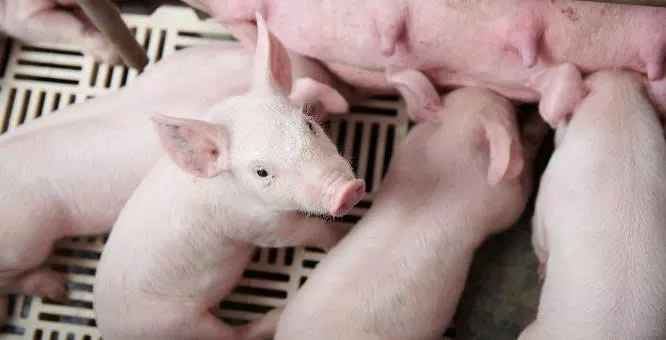
Comprehensive health and nutrition management in swine production requires a shift from simply promoting maximum productivity to building sustainable immune systems, controlling heat stress, and applying monitoring technology. The goal is to strike a balance between growth rate and disease resistance of the herd.
Balanced nutrition – The foundation for a healthy pig herd
A complete and balanced nutritional diet for each stage of development is an important factor determining the growth rate, feed efficiency, fertility and resistance of pigs. Lack or imbalance of nutrition not only reduces productivity but also creates conditions for many infectious diseases to break out.
It is necessary to ensure an adequate supply of energy, protein, amino acids, vitamins and minerals.
Adjust the diet to suit each stage: piglets, weaned pigs, meat pigs, pregnant and nursing sows. Add enzymes, probiotics or digestive aids when needed to increase nutrient absorption. Ensure a clean, adequate water source 24/24 hours.
Intestinal health - "Central" of the immune system
A healthy intestine helps absorb nutrients effectively and is the first immune barrier against pathogens. Implementation measures: Use quality feed, not moldy or contaminated with toxins. Supplement probiotics, prebiotics, organic acids when necessary. Good control of diarrhea in piglets and post-weaning pigs. Limit sudden changes in diet
Build an active immune system
A healthy immune system helps pigs better withstand bacteria, viruses and pathogens in the environment. Fully vaccinated according to the farm's program. Supplement vitamins A, D, E, C, group B and trace minerals such as zinc, selenium, copper. Reduce stress factors such as high temperature, high density or transportation.
Management of livestock environment
The barn environment directly affects the health and growth ability of pigs. The cage is always dry, clean, and well-ventilated. Control temperature and humidity appropriately for each age group. Reduce toxic gases such as NH₃ and H₂S. Carry out periodic cleaning and disinfection and apply the principle of "all in - all out" (All-in/All-out).
Proactive disease control
Instead of just treating when the disease occurs, it is necessary to proactively prevent the disease to minimize damage. Monitor herd health daily. Detect early unusual signs such as decreased appetite, fever, cough, diarrhea or slow growth. Isolate pigs suspected of being sick. Control people, vehicles and animals entering and exiting the livestock area. Implement a program of periodic testing samples for important diseases.
Monitor and evaluate effectiveness regularly
Recording and analyzing production indicators helps detect nutritional or health problems early. Average daily gain (ADG). Feed conversion ratio (FCR). Morbidity and mortality rate. Conception rate, number of live births. Veterinary medicine costs and feed costs